A technician reaches into a conveyor system for an adjustment. The machine powers on unexpectedly. In seconds, a life changes. This isn’t a rare scenario—nearly 10% of serious industrial accidents involve unexpected energization of equipment. Lockout tagout locks and tags exist to stop these tragedies before they start. They’re not just accessories; they’re the physical enforcement of an energy control procedure, ensuring machines stay off and employees stay safe during servicing.
Lockout tagout (LOTO) is a systematic approach to controlling hazardous energy. At its core are two vital components: locks, which physically prevent energy isolation devices from being operated, and tags, which communicate critical warnings when locks alone aren’t sufficient. Together, they form a dual-layered defense that works across industries—from manufacturing plants to utility substations.
This article breaks down how LOTO locks and tags work, what types are available, and how to implement them effectively—without falling into common compliance traps.
What Are Lockout Tagout Locks and Tags?
Lockout tagout locks and tags are control devices used during maintenance, repair, or cleaning of machinery. Their purpose is to ensure that equipment cannot be accidentally energized while someone is working on it.
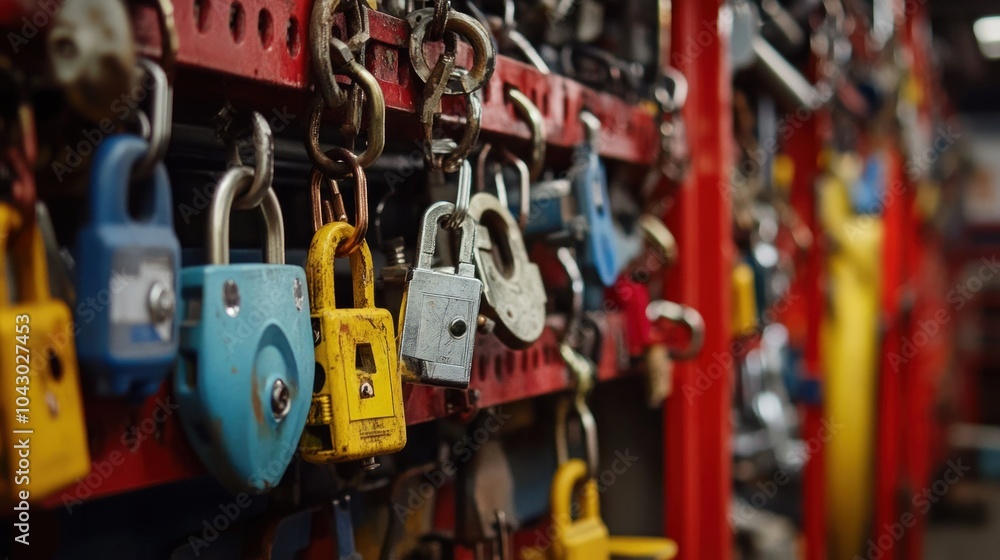
The Role of Locks Locks are physical restraints applied to energy-isolating devices—such as circuit breakers, valve handles, or disconnect switches. A lock prevents the device from being turned on until it is removed by the authorized employee who applied it. Most LOTO locks are padlocks designed specifically for industrial use: keyed alike, keyed differently, or with combination mechanisms.
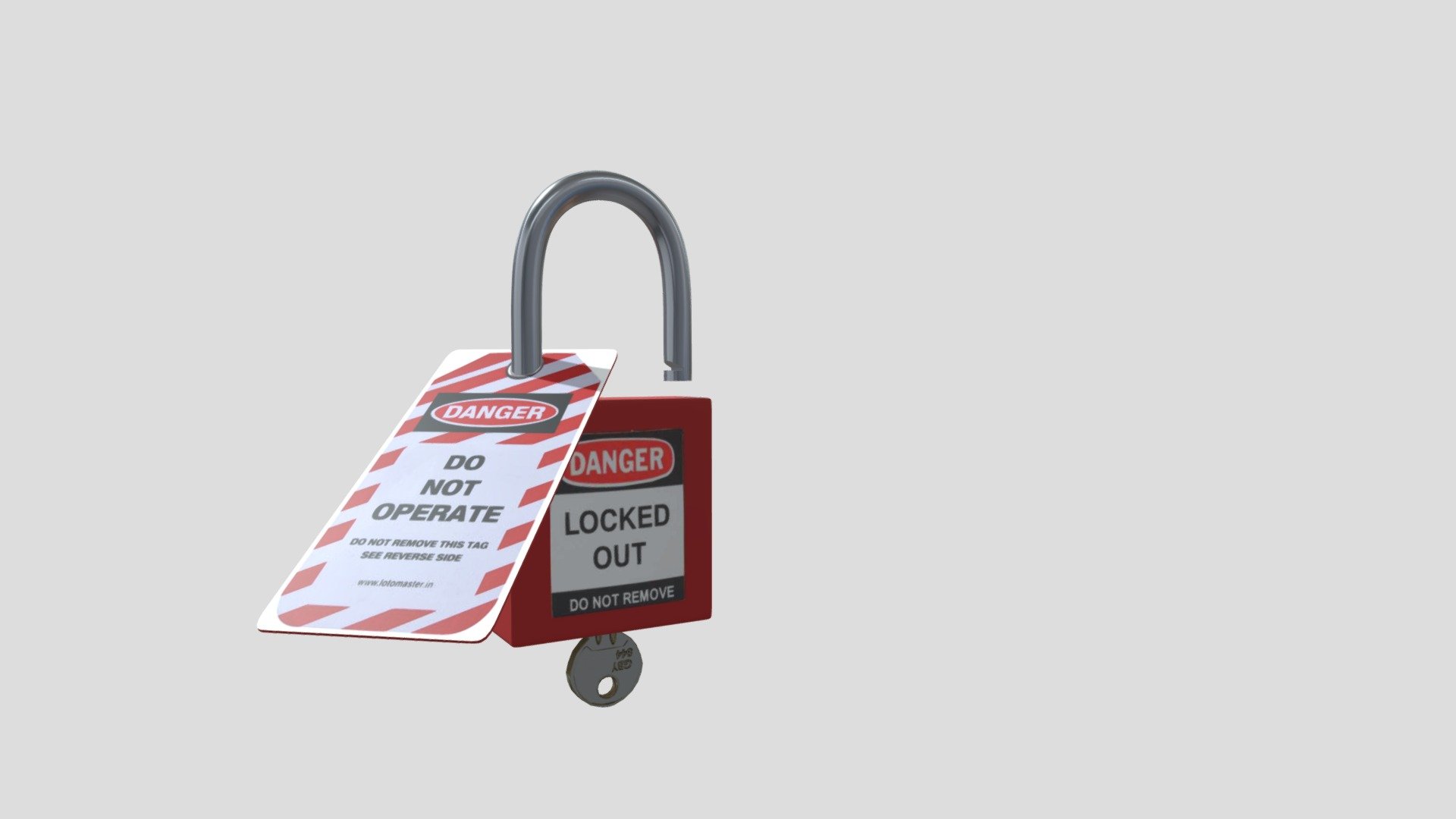
The Role of Tags Tags are warning labels attached alongside locks. They don’t provide physical restraint but convey essential information: who applied the lock, when, why, and contact details. Tags must be durable, legible, and standardized in design to avoid confusion.
OSHA standard 29 CFR 1910.147 requires both when engineering controls allow for lock application. If a lock can’t be used due to design limitations, a tagout-only system may be permitted—but only under strict conditions and with extra safety measures.
Why Lockout Tagout Fails—And How to Fix It
Many organizations believe they’re compliant because they have locks and tags on site. But compliance isn’t about possession—it’s about procedure, training, and culture.
Common LOTO Failures:
- Tag reliance without lock application: Tags alone are weaker. They can be ignored or removed accidentally.
- Group lockout confusion: Multiple workers servicing one machine often mismanage lockboxes or fail to use hasp systems correctly.
- Inadequate training: Workers may know how to apply a lock but not understand when or why.
- Improper lock storage: Personal locks left unattended invite misuse or bypassing.
- Non-durable tags: Paper tags that fade, tear, or get lost compromise communication.
The fix? Treat LOTO not as a checklist item, but as a living protocol embedded in daily operations.
Types of Lockout Devices: Choosing the Right One
Not all locks and tags are interchangeable. Selecting the correct device depends on the energy source, equipment type, and environment.
1. Padlocks The
most common LOTO lock. Features:

- Shackle options: Nylon (non-conductive), stainless steel (corrosion-resistant)
- Keyed alike, keyed different, or keyed individual
- Color-coded for department or hazard type
Use case: Electrical panels, motor disconnects.
2. Valve Lockouts Designed to secure gate, ball, and butterfly valves. They prevent handle movement and accept standard padlocks.
Use case: Piping systems in chemical plants or refineries.
3. Circuit Breaker Lockouts Plastic or metal enclosures that fit over breaker toggles, preventing operation.
Use case: Electrical maintenance in industrial control rooms.
4. Plug Lockouts Cover electrical outlet ends and prevent plug insertion. Used with tags to indicate de-energized status.
Use case: Portable tool servicing.
5. Hasps and Group Lockout Stations A hasp allows multiple locks to be applied to a single isolation point. Group lockout boxes ensure each technician applies their personal lock before the system can be re-energized.
Use case: Complex machinery requiring team maintenance.
Designing Effective Safety Tags
A tag must be seen, read, and understood—even in high-stress or low-light conditions.
Key Tag Features:
- Standard color: Red background with white text is OSHA-preferred.
- Durable material: Polyester or laminated paper resists oil, moisture, and tearing.
- Pre-printed fields: For name, date, department, and reason.
- Attachment method: Strong plastic ties that resist tampering.
Sample Tag Wording:
"DO NOT OPERATE – EQUIPMENT UNDER MAINTENANCE Lock applied by: John Doe, Maintenance Tech Date: April 5, 2024 | Time: 8:15 AM Contact: x2247 – Will return by 12:00 PM"
Avoid vague phrases like “Under Repair.” Be specific: what’s being done, who’s doing it, and when it ends.
Real-World Use Cases: LOTO in Action
Case 1: Automotive Assembly Line A robotic arm requires calibration. The technician:
- Powers down the system via the main disconnect.
- Applies a personal padlock to the circuit breaker.
- Attaches a filled-out tag with their details.
- Tests for zero energy by attempting to restart (safely).
- Proceeds with work only after confirming isolation.
Mistake avoided: Another worker restarting the line from a remote console.
Case 2: HVAC Maintenance in a Hospital A chiller unit needs servicing. The facility uses a group lockout: - Supervisor isolates the unit. - Each of five technicians places their lock on a hasp. - The keys go into a lockout box that controls the single re-energization key. - Work begins only when all locks are in place. - After completion, each worker removes their own lock.
Why it works: Ensures no one is left inside or exposed when power returns.
OSHA Compliance: What You Must Know
OSHA 1910.147 sets the baseline for LOTO compliance in general industry. Key requirements:
- Written program: Documented procedures for each machine or process.
- Authorized vs. affected employees: Only trained personnel apply locks.
- Periodic inspections: Annual audits of procedures and employee knowledge.
- Energy control procedures: Step-by-step instructions for shutdown, isolation, locking, and verifying de-energization.
Penalties for non-compliance are steep. In 2023, OSHA cited a food processing plant for $157,000 due to improper lockout procedures leading to an amputation. The fine wasn’t just for missing locks—it was for failing to train, audit, and enforce.
Compliance isn’t about avoiding fines. It’s about stopping preventable harm.
Choosing the Right LOTO Products: Top 5 Options
Selecting reliable locks and tags matters. Here are five trusted solutions used across industries:
| Product | Type | Key Features | Best For |
|---|---|---|---|
| Brady BLPS5-PL | Padlock | 5" nylon shackle, non-conductive, key-retaining | Electrical work in wet areas |
| Grainger 35FV11 | Valve Lockout | Fits 1/2" to 2" valves, UV-resistant | Oil and gas facilities |
| Master Lock 1500iD | Programmable Padlock | Bluetooth-enabled, tracks lock usage | Large facilities needing audit trails |
| Honeywell Saperlock Pro | Circuit Breaker Lockout | Universal fit, clear labeling space | Industrial electrical panels |
| Seton LOTO Tag Kit | Safety Tags | Pre-printed, tamper-proof ties, bilingual (EN/ES) | Multilingual workforces |
These aren’t just hardware—they’re tools that support accountability and traceability.
Integrating LOTO Into Daily Workflow
A strong LOTO program doesn’t live in a binder. It’s visible, practiced, and reinforced.
Workflow Tips:
- Start with a pre-job checklist: Verify isolation points before work begins.
- Use color coding: Red locks for maintenance, blue for quality checks, green for cleaning.
- Conduct surprise drills: Test whether employees follow procedures under pressure.
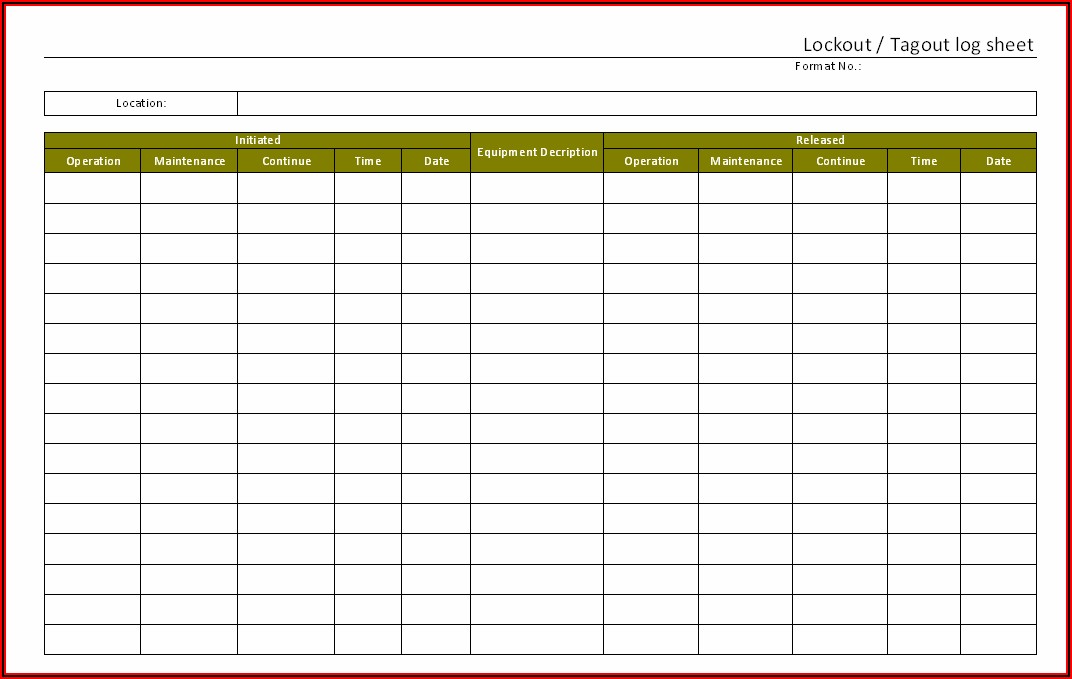
- Log every use: Track lock applications and durations to identify recurring risks.
- Review after incidents: Even near-misses should trigger a procedure audit.
Make LOTO part of the culture. When a worker sees an untagged lock, they should feel compelled to report it—not walk past it.
Bottom Line: Locks and Tags Save Lives
Lockout tagout locks and tags are simple tools with an enormous responsibility. They stand between routine maintenance and catastrophic injury. No automation, safety cage, or warning sign replaces the human discipline of applying a lock and reading a tag.
The best LOTO systems combine durable equipment, clear procedures, and relentless training. They’re not about ticking boxes—they’re about ensuring every worker goes home the same way they arrived.
Start today: Audit one machine’s lockout procedure. Verify the locks are present, the tags are filled correctly, and the team knows the steps. Then do it again tomorrow. Safety isn’t a project. It’s a practice.
Frequently Asked Questions
What’s the difference between lockout and tagout? Lockout uses physical devices to prevent equipment activation; tagout uses warning tags. Lockout provides mechanical security; tagout provides communication. OSHA requires lockout wherever possible.
Can I use only tags without locks? Only if the equipment design doesn’t allow for lock application. Tagout-only systems require additional safety steps, such as continuous supervision.
Who can remove a lockout device? Only the authorized employee who applied the lock may remove it. In their absence, a formal removal procedure with management oversight must be followed.
Do LOTO locks need to be personal? Yes. Each authorized employee must have their own lock, identifiable by name or number. Shared locks undermine accountability.
How often should LOTO procedures be inspected? At least annually. Each machine or process must undergo a documented inspection involving both procedure review and employee verification.
Are there different tags for different hazards? While OSHA doesn’t require different tag designs per hazard, many companies use color-coded or labeled tags for clarity (e.g., “High Voltage,” “Confined Space”).
What happens if a lock is lost or broken? The lock must be removed under a controlled procedure—never forced. This includes verification of zero energy, approval by a supervisor, and documentation of the event.
FAQ
What should you look for in Lockout Tagout Locks and Tags: Your Safety Backbone? Focus on relevance, practical value, and how well the solution matches real user intent.
Is Lockout Tagout Locks and Tags: Your Safety Backbone suitable for beginners? That depends on the workflow, but a clear step-by-step approach usually makes it easier to start.
How do you compare options around Lockout Tagout Locks and Tags: Your Safety Backbone? Compare features, trust signals, limitations, pricing, and ease of implementation.
What mistakes should you avoid? Avoid generic choices, weak validation, and decisions based only on marketing claims.
What is the next best step? Shortlist the most relevant options, validate them quickly, and refine from real-world results.